
Lynet Uttal
LCSWWisconsin · 9 yrs exp
Therapist helping people find practical change
Relationship · Family · Self esteem · Depression · +15 more
Read profileTherapist listings are provided by BetterHelp. We will earn a commission at no additional cost to you if you use our links to purchase.
Welcome to the Wisconsin online therapy listings. All therapists shown here hold a current Wisconsin license to practice and list their approaches and focus areas on their profiles.
Explore the therapist grid to read credentials, specialties, languages spoken, and clinical approaches to help you find a good fit.
Wisconsin · 9 yrs exp
Therapist helping people find practical change
Relationship · Family · Self esteem · Depression · +15 more
Read profile
Wisconsin · 7 yrs exp
Practical counseling for steady confidence
Stress, Anxiety · Self esteem · Depression · Coping with life changes · +13 more
Read profile
Wisconsin · 10 yrs exp
Calm, practical support for life changes
Stress, Anxiety · Relationship · Trauma and abuse · Self esteem · +1 more
Read profile
Wisconsin · 3 yrs exp
Resilient support for men's wellbeing
Stress, Anxiety · Relationship · Family · Self esteem · +1 more
Read profile
Wisconsin · 22 yrs exp
Practical therapy for men seeking change
Stress, Anxiety · Addictions · Self esteem · Career · +6 more
Read profile
Wisconsin · 8 yrs exp
Relationship-focused counselor building stronger connection
Relationship · Intimacy-related issues · Coping with life changes · Stress, Anxiety · +8 more
Read profile
Wisconsin · 7 yrs exp
Calm, practical counseling with life experience
Stress, Anxiety · Addictions · Relationship · Trauma and abuse · +8 more
Read profile
Wisconsin · 31 yrs exp
Therapist who combines practical skills and warmth
Stress, Anxiety · Relationship · Family · Self esteem · +12 more
Read profile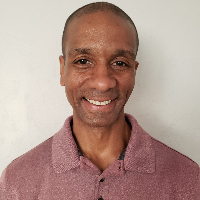
Wisconsin · 6 yrs exp
Practical support for men seeking change
Stress, Anxiety · LGBT · Family · Trauma and abuse · +13 more
Read profile
Wisconsin · 7 yrs exp
Therapist focused on practical change
Addictions · Relationship · Trauma and abuse · Anger · +7 more
Read profile
Wisconsin · 3 yrs exp
Therapist focused on practical change
Career · Stress, Anxiety · Relationship · Trauma and abuse · +6 more
Read profile
Wisconsin · 5 yrs exp
Practical therapy for men's wellbeing and relationships
Stress, Anxiety · Relationship · Intimacy-related issues · Self esteem · +8 more
Read profile
Wisconsin · 30 yrs exp
Experienced counselor for life changes
Stress, Anxiety · Addictions · Self esteem · Depression · +8 more
Read profile
Wisconsin · 30 yrs exp
Hopeful, practical counseling for life and loss
Stress, Anxiety · Relationship · Family · Trauma and abuse · +9 more
Read profile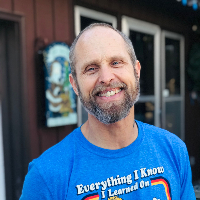
Wisconsin · 19 yrs exp
Practical, recovery-informed therapy for men
Stress, Anxiety · Addictions · Intimacy-related issues · Parenting · +11 more
Read profile
Wisconsin · 10 yrs exp
Compassionate, practical therapy for life transitions
Stress, Anxiety · Addictions · Relationship · Family · +8 more
Read profile
Wisconsin · 15 yrs exp
Practical support for clearer choices
Stress, Anxiety · Addictions · Relationship · Depression · +15 more
Read profile
Wisconsin · 5 yrs exp
Compassionate, practical counseling for everyday struggles
Stress, Anxiety · Relationship · Family · Trauma and abuse · +11 more
Read profile
Wisconsin · 29 yrs exp
Insightful psychologist for men’s wellbeing
Stress, Anxiety · Parenting · Anger · Bipolar · +11 more
Read profile
Wisconsin · 12 yrs exp
Calm, practical support for life changes
Stress, Anxiety · Addictions · Family · Trauma and abuse · +15 more
Read profile
Wisconsin · 6 yrs exp
Calm, practical support for life's tough moments
Stress, Anxiety · Relationship · Trauma and abuse · Grief · +8 more
Read profile
Wisconsin · 19 yrs exp
Practical, person-centered therapy for men
Stress, Anxiety · Addictions · LGBT · Trauma and abuse · +7 more
Read profile
Wisconsin · 35 yrs exp
Experienced psychologist for practical change
Stress, Anxiety · Trauma and abuse · Depression · LGBT · +6 more
Read profile
Wisconsin · 40 yrs exp
Experienced Wisconsin LPC focused on relationships and stress
Stress, Anxiety · Relationship · Parenting · Depression · +2 more
Read profileOnline therapy has become a practical option for many people living in Wisconsin, bringing licensed mental health professionals into homes, offices, and other convenient locations through supported video and phone platforms. In 2026, state rules allow licensed therapists to offer remote services to clients within Wisconsin, and many clinicians list teletherapy among their service formats. If you live in a rural county or an urban neighborhood, online sessions can broaden the pool of professionals you can connect with beyond what is available locally. While the tools and platform features vary from clinician to clinician, the core of online therapy mirrors in-person work - a professional relationship focused on goals and progress, facilitated through conversation and evidence-informed approaches that therapists list on their profiles.
When you browse online therapist profiles, you will typically see information about each clinician's license type, education, areas of focus, preferred approaches, and languages spoken. That information helps you understand how a therapist frames their practice and the populations they work with. Because practice details and the technologies used evolve, use the profile descriptions to identify clinicians who emphasize the approaches and client populations that matter most to you. This overview can orient you to what to expect as you move from searching to connecting with a clinician for an initial conversation.
Online therapy offers practical benefits that can make it easier for you to fit care into a busy life. With remote sessions, you avoid commuting time and the need to coordinate travel across long distances, which matters especially if you live in a part of Wisconsin where in-person options are limited. Remote sessions can also provide greater consistency since you can connect from home or another suitable place when weather, work schedules, or caregiving responsibilities make in-person visits difficult. You may also find a therapist who speaks your preferred language or whose clinical focus aligns closely with your needs when you search beyond local offices.
Another important benefit is flexibility in session format. Some therapists list video as their primary method, while others list phone sessions or a combination. This flexibility can help you choose a format that feels comfortable and fits into your daily routine. Teletherapy can also support continuity of care if you travel within the state for work or family reasons. As you consider online therapy, think about the environment where you will attend sessions - a quiet, personal space with good internet or phone connection will make the experience smoother for both you and the clinician.
Online therapists in Wisconsin commonly work with a broad range of concerns, and you can find clinicians who list specialties that match your situation. Many people seek remote therapy for anxiety, depression, stress management, relationship challenges, parenting and family issues, grief and loss, life transitions, and workplace stress. Some therapists also list experience working with identity-related concerns, such as gender and sexual orientation questions, cultural or racial identity issues, and the stresses that can come with discrimination or minority stress.
When you read therapist profiles, you will see clinicians describe the populations they serve and the issues they address. Some list age ranges such as adolescents, adults, or older adults. Others highlight focus areas like trauma-related symptoms, mood concerns, or relationship difficulties. Because profiles are created by each clinician, they give you a window into the kinds of issues a therapist expects to work with. If you have a specific need - for example, co-parenting after separation or managing symptoms related to a chronic health condition - you can prioritize profiles where that focus is prominently mentioned.
Verifying a therapist's license is an important step that you can take before reaching out. In Wisconsin, licensed mental health professionals practice under distinct credentials such as licensed clinical social worker (LCSW), licensed professional counselor (LPC), licensed marriage and family therapist (LMFT), psychologist, and other recognized license types. Each profile typically lists the license type and state of licensure, and you can confirm that information through the state licensing board or the regulatory body that oversees professional licensure in Wisconsin.
To verify a license, start by noting the clinician's full name and the license type listed on their profile. Use the state license search tool to look up the person by name and confirm the license status, issuance date, and whether any disciplinary records are present. The license record will also indicate the license number and the date of expiration, which helps you ensure the credential is current. If you have questions about what appears on a license record, you can contact the licensing board directly for clarification on terms and processes. Keeping a record of the license details you checked can give you more confidence as you proceed to contact a clinician for a preliminary conversation.
Beginning online therapy starts with clarifying what you want from treatment and then using profile information to narrow your search. Think about the problems you want help with, the therapist characteristics that are important to you - such as gender, language, or cultural understanding - and the approaches you prefer. Many therapists list the approaches they use, such as cognitive behavioral strategies, mindfulness-based work, psychodynamic perspectives, or other methods. Remember that a listing of an approach is a description of what a clinician uses in practice rather than a certification claim. Use those descriptions to identify clinicians whose stated approach aligns with your preferences.
Once you find a few promising profiles, consider reaching out to ask about session format, typical session length, fee structures, insurance or out-of-network policies, and whether they work with the kind of issues you brought up. You can also ask about what a typical first session looks like and how they measure progress. When preparing for your first remote session, choose a quiet, personal space with minimal interruptions and a reliable internet or phone connection. Have a plan for what you want to discuss in the first session, including your goals, any current treatments or medications, and important background information. That preparation helps you make the most of the initial conversation and decide whether the clinician's style fits the working relationship you want.
Selecting a therapist is a personal process and often involves assessing both qualifications and interpersonal fit. Start by reviewing credentials and license type, then look at the areas of practice and the approaches therapists list on their profiles. Pay attention to language abilities and cultural or identity-focused descriptions if those factors matter to you. Consider practical details that influence the long-term working relationship, such as session format preferences and fee range. While profiles provide initial information, the best way to gauge fit is through an initial conversation where you can ask about style, expectations, and how progress is tracked.
Your comfort and sense of being heard are central to the relationship. Notice whether a clinician responds to your questions clearly and respectfully and whether you feel understood by their explanations. It is normal to try more than one clinician before you find the right match, and taking small steps - a short introductory conversation followed by one or two sessions - can help you evaluate whether the approach and therapist rapport suit your needs. Keep in mind that some clinicians list focus areas that align closely with your concerns, and others may emphasize broader approaches. Use the profile details and your early conversations to choose someone whose methods and approach to working together resonate with you.
Searching for an online therapist in Wisconsin is a practical way to access licensed mental health care that fits your schedule and location. By reviewing profiles, verifying licensure, preparing for an initial session, and paying attention to fit, you can make an informed choice about who to contact. Use the listing grid above to begin exploring clinicians who list the approaches and focus areas that match what you are seeking, and reach out when you are ready to learn more about working together.
Addictions
2590 therapists
ADHD
2027 therapists
Anger
2955 therapists
Depression
4038 therapists
Grief
3154 therapists
Guilt and Shame
3936 therapists
Isolation / Loneliness
3706 therapists
Midlife Crisis
3235 therapists
Post-Traumatic Stress
3247 therapists
Self Esteem
3892 therapists
Social Anxiety and Phobia
3520 therapists
Stress & Anxiety
4457 therapists
Trauma and Abuse
3494 therapists
Career
2619 therapists
Caregiver Issues and Stress
2675 therapists
Communication Problems
3968 therapists
Coping with Life Changes
3590 therapists
Divorce
3240 therapists
Family
3130 therapists
Fatherhood Issues
2483 therapists
First Responder Issues
1477 therapists
Infidelity
2498 therapists
Life Purpose
3960 therapists
Money and Financial Issues
2179 therapists
Parenting
2547 therapists
Relationship
3851 therapists
Workplace Issues
3366 therapists