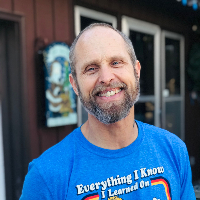
About David
David Krych is a Licensed Clinical Social Worker (LCSW) based in Wisconsin who focuses on men's wellbeing among other concerns. He aims to help people facing stress, anxiety, addiction, grief, and life changes. David speaks plainly and builds a space where people can talk through what matters most to them and set realistic goals.
He brings 19 years of clinical experience and a longer personal journey that includes recovery from substance use. That experience shapes how he listens and what he emphasizes in sessions. He draws on clients' strengths and practical skills rather than jargon-heavy explanations.
David uses a mix of approaches to match the person in front of him. He works with Cognitive Behavioral Therapy to address unhelpful thoughts and behaviors, Client-Centered Therapy to support the client's own priorities, and Motivational Interviewing to boost readiness for change. He adapts tools to concerns like intimacy issues, parenting stress, and substance use.
Clients can expect straightforward discussion about goals and small steps to try between sessions. David believes self-acceptance and compassion are central to change, and he helps people notice and build on what already works in their lives.
He also supports people dealing with family-of-origin issues, fatherhood challenges, codependency, body image, and feelings of isolation or emptiness. His approach is collaborative and practical, focused on helping people recover a sense of meaning and direction.
Approaches that translate well to online work
Client-Centered Therapy centers on what matters to the person in front of the therapist and creates room for the client to set the agenda; it helps when someone wants a supportive, listening environment to clarify goals. Cognitive Behavioral Therapy (CBT) focuses on noticing thought patterns and testing small behavioral changes, which often works well in remote sessions because it emphasizes clear tasks and tracking progress. Motivational Interviewing helps people resolve mixed feelings about change by using empathic questions and reflective listening to strengthen motivation.Finding the best approach is part of the therapeutic process. The therapist collaborates with each person to choose methods that fit their needs, goals, and pace. That means trying things, checking what helps, and adjusting techniques as progress is made.
The original biography does not specify which online session formats are used, so confirm current options before booking. In general, online therapy can make it easier to fit sessions into a busy life, allow shorter check-ins when helpful, and let people meet with a licensed professional without extra travel. It can also make scheduling more flexible around work, caregiving, or recovery commitments, while still focusing on practical steps and measurable goals.
Areas of expertise
Primary focus
Also works with
Additional focus areas
Therapeutic approaches
Experience
19+ years
Credentials
Wisconsin
Languages
English
Frequently asked questions
What concerns does David commonly help with?
He works with stress, anxiety, addictions, depression, grief, relationship and intimacy-related issues, and parenting concerns among other topics.
How would you describe his therapeutic style?
He takes a practical, client-centered approach that focuses on goals, clear steps, and using each person's strengths.
What is his clinical background and experience?
He holds a Wisconsin LCSW and has 19 years of experience, plus earlier work with adolescents and later focus on addiction recovery work.
Where is he located and licensed?
He is licensed in Wisconsin as an LCSW and practices from that region.
Which languages are supported for sessions?
Sessions are offered in English, and he also accepts international clients.
What session formats are offered?
The original biography does not list specific session formats; please confirm current session options before booking.
How is cost handled for sessions?
Cost varies with location and therapist availability, and sessions use a subscription that can be canceled at any time.
How do I start working with him?
Click the Start Therapy button, complete a short matching questionnaire, and schedule according to the therapist's availability.