- Men's wellbeing focus
- Relaxed conversational style
- Practical coping tools
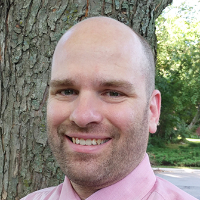
About Paul
Paul Schroeder-Haag began his clinical path after many years of life and work experience led him back to school. He holds a master’s degree in counseling and is a Licensed Professional Counselor, LPC, practicing in Wisconsin. His background also includes a 2006 master’s degree in criminal justice. Paul uses his varied experience to guide people through hard times in a calm, grounded way.
He meets people who are dealing with anxiety, depression, stress, addiction, trauma, and grief. He also helps those facing relationship strain, parenting challenges, intimacy issues, anger, and major life changes. His practice includes work related to domestic violence, sexual assault and abuse, post-traumatic stress, panic, and social anxiety.
Paul adapts his approach to the needs of each person he sees. He draws from client-centered work, cognitive techniques, mindfulness, solution-focused tools, and trauma-focused methods. That means sessions can include talking things through, learning new ways to notice and shift thoughts, grounding practices, and short-term goal work.
People who connect with him usually find a relaxed, straightforward style. He focuses on building a working relationship and getting to know the story behind the struggle. Paul says he keeps learning so he can offer useful options rather than one fixed method.
Overall, Paul aims to help people find practical steps forward. He blends life experience with clinical training to support men and others seeking clearer coping, stronger self-esteem, and better ways to handle stress and relationships.
How his approaches translate to online care
Client-Centered Therapy focuses on listening and building a respectful working relationship. It helps people feel heard and supports exploration of personal goals and values. Cognitive Behavioral Therapy, or CBT, looks at the links between thoughts, feelings, and behaviors and teaches practical skills to change unhelpful thinking patterns and reduce anxiety and depression. Trauma-Focused Therapy provides ways to address traumatic memories and their effects through gradual, paced work that can include grounding and processing techniques.Deciding which approach to use is a collaborative process. Paul will work with each person to identify priorities, try different techniques, and adjust the plan based on what feels most helpful. The goal is to find methods that fit the client's needs and daily life, not to stick to one single model.
Because session formats are not specified in the biography, confirm current options before booking. Many people find online therapy helps fit care into busy schedules, makes it easier to keep regular appointments, and allows for shorter check-ins when needed. Online sessions can reduce travel time, let someone join from a quieter place, or make it simpler to schedule around work and family commitments.
Areas of expertise
Primary focus
Also works with
Additional focus areas
Therapeutic approaches
Experience
7+ years
Credentials
Wisconsin
Languages
English
Frequently asked questions
What concerns does Paul commonly address?
He works with anxiety, depression, stress, addiction, trauma and abuse, grief, relationship and intimacy concerns, parenting and fatherhood issues, anger, self-esteem, and coping with life changes.
What approach does he use in sessions?
His style is adaptable and client-centered. He blends cognitive behavioral tools, mindfulness, solution-focused strategies, and trauma-focused work depending on each person and issue.
How much clinical experience does he have?
He has seven years of experience as a counselor and draws on earlier life and work experience as well.
What credential does he hold and where is he located?
He is a Licensed Professional Counselor (LPC) licensed in Wisconsin and practices from that state.
Which languages are supported for sessions?
Sessions are offered in English.
Can people outside the country work with him?
He accepts international clients; confirm scheduling and time zone details when arranging sessions.
How are fees and billing handled?
Cost varies with location and therapist availability, and sessions use a subscription model that can be canceled at any time.
What are the first steps to begin therapy?
Use the Start Therapy button, complete a short matching questionnaire, and then schedule sessions according to the therapist's availability.