
Michelle Pellin
LMHC, LPCConnecticut · 11 yrs exp
Compassionate counselor for life transitions
Stress, Anxiety · Parenting · Self esteem · Depression · +16 more
Read profileTherapist listings are provided by BetterHelp. We will earn a commission at no additional cost to you if you use our links to purchase.
On this page you will find therapist profiles and counseling options that focus on LGBT concerns and LGBTQ+ experiences. Explore listings below to see each clinician's approaches, languages, and areas of focus as you search for a good fit.
Connecticut · 11 yrs exp
Compassionate counselor for life transitions
Stress, Anxiety · Parenting · Self esteem · Depression · +16 more
Read profile
Texas · 30 yrs exp
Compassionate, practical counseling for men
Stress, Anxiety · Addictions · Anger · Self esteem · +13 more
Read profile
Colorado · 19 yrs exp
Therapist for practical emotional growth
Stress, Anxiety · Relationship · Trauma and abuse · Grief · +12 more
Read profile
Alabama · 22 yrs exp
Therapist for practical change and men's wellbeing
Stress, Anxiety · Trauma and abuse · Anger · Self esteem · +16 more
Read profile
Florida · 23 yrs exp
Experienced LICSW supporting men's wellbeing
LGBT · Intimacy-related issues
Read profile
Massachusetts · 23 yrs exp
Experienced LMHC focused on men's wellbeing
Addictions · LGBT · Relationship · Intimacy-related issues · +12 more
Read profile
Florida · 25 yrs exp
Experienced Florida LMHC focused on men's wellbeing
Stress, Anxiety · Family · Grief · Self esteem · +12 more
Read profile
Rhode Island · 18 yrs exp
Practical support for everyday emotional challenges
Stress, Anxiety · Relationship · Trauma and abuse · Grief · +12 more
Read profile
Illinois · 20 yrs exp
Compassionate counselor focusing on practical change
Stress, Anxiety · LGBT · Anger · Self esteem · +12 more
Read profile
North Carolina · 10 yrs exp
Compassionate, faith-aware counseling for practical change
Stress, Anxiety · Relationship · Family · Bipolar · +16 more
Read profile
Georgia · 20 yrs exp
Compassionate, practical counseling for life challenges
Stress, Anxiety · Addictions · Family · Anger · +13 more
Read profile
Illinois · 10 yrs exp
A practical, collaborative counselor for men
Stress, Anxiety · LGBT · Relationship · Trauma and abuse · +10 more
Read profile
Florida · 30 yrs exp
Experienced counselor focused on practical change
Stress, Anxiety · Trauma and abuse · Bipolar · Depression · +16 more
Read profile
New York · 39 yrs exp
Experienced LCSW-R focusing on men's wellbeing
Stress, Anxiety · Addictions · Relationship · Trauma and abuse · +14 more
Read profile
South Dakota · 12 yrs exp
Practical support for men's emotional health
Stress, Anxiety · Relationship · Family · Trauma and abuse · +13 more
Read profile
Mississippi · 12 yrs exp
Practical, strengths-based therapy for men
Stress, Anxiety · Addictions · Anger · Self esteem · +12 more
Read profile
Pennsylvania · 6 yrs exp
Calm, practical counseling for real life
Stress, Anxiety · LGBT · Relationship · Self esteem · +15 more
Read profile
Utah · 20 yrs exp
Experienced Utah LCSW focused on men's wellbeing
Stress, Anxiety · Relationship · Grief · Depression · +12 more
Read profile
Arkansas · 23 yrs exp
Accessible counselor focused on men's wellbeing
Stress, Anxiety · Trauma and abuse · Anger · Self esteem · +11 more
Read profile
Georgia · 3 yrs exp
Compassionate, goal-focused counseling for men
Stress, Anxiety · Relationship · Family · Intimacy-related issues · +6 more
Read profile
Oregon · 15 yrs exp
Experienced Oregon counselor focusing on men's wellbeing
Stress, Anxiety · Addictions · Relationship · Trauma and abuse · +12 more
Read profile
California · 14 yrs exp
Supportive therapist for practical change
Stress, Anxiety · Addictions · Trauma and abuse · Anger · +14 more
Read profile
New York · 25 yrs exp
Practical, collaborative therapy for everyday struggles
Stress, Anxiety · Grief · Anger · Self esteem · +6 more
Read profile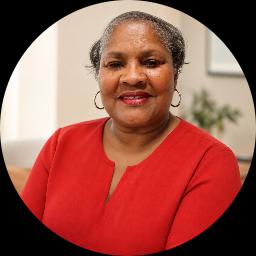
Oklahoma · 27 yrs exp
Experienced counselor for practical change
Stress, Anxiety · Addictions · Parenting · Anger · +11 more
Read profileLGBT is an umbrella term that refers to people who identify as lesbian, gay, bisexual, transgender, and related sexual orientations and gender identities. You may also see LGBTQ+, queer, or other community-specific labels. These identities are about who you are attracted to and how you experience your gender. For many people, understanding and naming identity is a process that can unfold over months or years, and it can intersect with culture, religion, family expectations, race, disability, and socioeconomic factors.
The emotional landscape around LGBT identity is diverse. For some people, coming out brings relief and a renewed sense of authenticity. For others, it can mean navigating rejection, discrimination, or internal conflict. Minority stress - the added stress that can come from stigma, prejudice, or microaggressions - can affect mental and physical well-being over time. You might experience anxiety, low mood, questions about relationships, or stress linked to workplace and social dynamics. At the same time, community connections, chosen family, and advocacy are sources of resilience and meaning for many people in the LGBT community.
You might look for a therapist when identity-related questions or experiences begin to interfere with daily life, relationships, or your sense of safety. This could include persistent anxiety about coming out, repeated painful interactions with family members, ongoing feelings of isolation, or trauma resulting from harassment or violence. Therapy can also help when you face conflict in intimate relationships about identity, sexual expression, or role expectations, or when you want support during transitions such as gender-affirming care or relationship changes.
Other signs that you might benefit from talking to a clinician include difficulty managing stress that seems tied to identity, trouble sleeping or concentrating, or a pattern of avoidance that limits your social or work life. You might also seek therapy not because of a crisis but because you want to explore identity, strengthen coping skills, clarify goals, or build supportive social networks. Deciding to seek help is a personal step and can be about growth as much as it is about relief from distress.
In the first few sessions you can usually expect to talk about why you sought help, your background, and areas you want to address. Sessions may explore your coming out story, relationships with family and friends, experiences of discrimination, and how your identity fits with other parts of your life. Your therapist will likely ask about goals - whether you are seeking to process past harms, manage anxiety, navigate transitions, or build interpersonal skills. Therapy is typically conversational and collaborative, so you can expect to shape the agenda as you become more comfortable.
Therapy for LGBT concerns often focuses on building coping strategies, processing emotions, and developing a clearer sense of identity and values. When trauma is present, sessions may include pacing and stabilization work before addressing painful memories. If family relationships are central to your concerns, therapy may incorporate strategies to manage interactions or to rebuild connection where possible. You should expect practical steps alongside emotional exploration - homework might include trying new communication approaches, practicing self-care routines, or testing out boundary-setting in real life. Progress is individual and may take time, but many people report greater clarity and improved day-to-day coping as therapy progresses.
There is no single method that fits everyone, and you may encounter therapists who draw on a range of approaches. Cognitive-behavioral approaches focus on identifying unhelpful thought patterns and testing them against real-world experiences. Narrative-oriented approaches invite you to reframe the stories you tell about identity and belonging, placing you at the center of meaning-making rather than external labels or others' expectations. Acceptance-based approaches help you live in accordance with your values while managing uncomfortable emotions, which can be especially helpful when navigating societal pressures and internalized messages.
Trauma-informed care is commonly part of treatment when experiences of harassment, assault, or other traumatic events are relevant. You may also find therapists who list emotion-focused or psychodynamic approaches among their methods; these emphasize understanding emotional patterns and relational themes that run through your life. Some clinicians work with couples or families to address conflicts related to identity and support transitions. Where appropriate, group therapy can provide community, reduce isolation, and offer shared learning from peers who have related experiences. When reviewing profiles, look for descriptions that mention the kinds of approaches they draw on rather than assumptions about specific credentials.
Online therapy can increase access to clinicians who focus on LGBT issues, especially if local options are limited. In virtual sessions you and your therapist meet via video or phone, enabling you to attend from a comfortable environment. Online work can be particularly helpful for people living in areas with fewer in-person options, those who need flexible scheduling, or those who want to maintain anonymity from local social circles. The therapeutic process itself - assessment, goal setting, skill-building, and emotional processing - is similar to in-person work, though some interventions may be adapted for a remote setting.
When choosing a therapist for LGBT-related concerns, think about the fit between their listed focus areas and your needs. Look for clinicians who explicitly note work with sexual orientation or gender identity issues, trauma, family conflict, or relationship concerns relevant to you. Pay attention to languages spoken and cultural competencies that align with your background. If you have medical considerations related to gender transition, seek someone who describes experience collaborating with medical teams or supporting people through that process. Reviews and profiles can give a sense of communication style, but keep in mind that your personal sense of safety and understanding matters most.
Before committing to longer-term work, you may want to reach out with a short message to ask about approach and philosophy - many profiles include an introductory statement you can use to compare fit. Consider whether you prefer a direct, skills-oriented clinician or someone who focuses more on reflective, exploratory work. If family or couples therapy is relevant, look for clinicians who note relational work among their focuses. Trust your instincts - if a clinician's language or description feels dismissive of your identity or experiences, that is useful information about fit. Finding a therapist who respects and affirms your identity while offering clear strategies for the challenges you face can make therapy a meaningful place for growth, healing, and day-to-day coping.
Alabama
51 therapists
Alaska
6 therapists
Arizona
47 therapists
Arkansas
29 therapists
Australia
149 therapists
California
328 therapists
Colorado
85 therapists
Connecticut
30 therapists
Delaware
7 therapists
District of Columbia
9 therapists
Florida
381 therapists
Georgia
105 therapists
Hawaii
15 therapists
Idaho
24 therapists
Illinois
126 therapists
Indiana
54 therapists
Iowa
22 therapists
Kansas
27 therapists
Kentucky
36 therapists
Louisiana
65 therapists
Maine
5 therapists
Maryland
48 therapists
Massachusetts
44 therapists
Michigan
112 therapists
Minnesota
50 therapists
Mississippi
25 therapists
Missouri
109 therapists
Montana
24 therapists
Nebraska
18 therapists
Nevada
20 therapists
New Hampshire
10 therapists
New Jersey
65 therapists
New Mexico
18 therapists
New York
164 therapists
North Carolina
142 therapists
North Dakota
2 therapists
Ohio
95 therapists
Oklahoma
65 therapists
Oregon
25 therapists
Pennsylvania
122 therapists
Rhode Island
6 therapists
South Carolina
70 therapists
South Dakota
10 therapists
Tennessee
64 therapists
Texas
378 therapists
United Kingdom
1189 therapists
Utah
45 therapists
Vermont
7 therapists
Virginia
67 therapists
Washington
54 therapists
West Virginia
13 therapists
Wisconsin
56 therapists
Wyoming
9 therapists