
Thomas McMinn
LPCSouth Carolina · 28 yrs exp
Compassionate counselor focusing on men's wellbeing
Relationship · Grief · Intimacy-related issues · Parenting · +9 more
Read profileTherapist listings are provided by BetterHelp. We will earn a commission at no additional cost to you if you use our links to purchase.
Welcome to our directory of online therapists serving South Carolina. All therapists listed here are licensed in their field - browse profiles to compare approaches, credentials, languages, and focus areas to find a good fit.
South Carolina · 28 yrs exp
Compassionate counselor focusing on men's wellbeing
Relationship · Grief · Intimacy-related issues · Parenting · +9 more
Read profile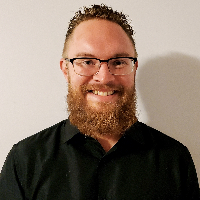
South Carolina · 10 yrs exp
Compassionate counselor helping men build healthier lives
Stress, Anxiety · Addictions · Relationship · Depression · +10 more
Read profile
South Carolina · 9 yrs exp
Experienced social worker for men's wellbeing
Stress, Anxiety · Relationship · Grief · Anger · +8 more
Read profile
South Carolina · 6 yrs exp
Hopeful, practical counseling for everyday challenges
Stress, Anxiety · Relationship · Trauma and abuse · Self esteem · +9 more
Read profile
South Carolina · 5 yrs exp
Straightforward support for men's wellbeing
Stress, Anxiety · Relationship · Trauma and abuse · Anger · +1 more
Read profile
South Carolina · 10 yrs exp
Calm guidance for relationship and life challenges
Stress, Anxiety · Relationship · Family · Trauma and abuse · +2 more
Read profile
South Carolina · 6 yrs exp
Compassionate, practical therapy for life’s challenges
Stress, Anxiety · Family · Trauma and abuse · Anger · +14 more
Read profile
South Carolina · 3 yrs exp
Practical, respectful therapy for life challenges
Stress, Anxiety · Addictions · Grief · Self esteem · +10 more
Read profile
South Carolina · 16 yrs exp
Guiding practical change with warmth
Stress, Anxiety · Relationship · Family · Parenting · +14 more
Read profile
South Carolina · 9 yrs exp
Compassionate counselor focused on men's wellbeing
Stress, Anxiety · Addictions · Trauma and abuse · Self esteem · +13 more
Read profile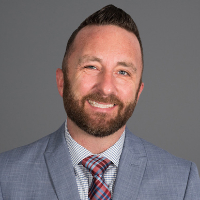
South Carolina · 9 yrs exp
Man-focused clinical social worker
Stress, Anxiety · Anger · Depression · Compassion fatigue · +8 more
Read profile
South Carolina · 7 yrs exp
Therapist focused on practical growth
Stress, Anxiety · Relationship · Grief · Depression · +12 more
Read profile
South Carolina · 11 yrs exp
Practical counseling for clearer thinking
Stress, Anxiety · Relationship · Self esteem · Depression · +9 more
Read profile
South Carolina · 35 yrs exp
Experienced, practical counseling focused on men's wellbeing
Stress, Anxiety · Parenting · Self esteem · Depression · +13 more
Read profile
South Carolina · 10 yrs exp
Practical, strength-focused counseling
Stress, Anxiety · Relationship · Self esteem · Career · +8 more
Read profile
South Carolina · 15 yrs exp
Practical, compassionate therapy for real-life challenges
Stress, Anxiety · Trauma and abuse · Anger · Self esteem · +13 more
Read profile
South Carolina · 33 yrs exp
Practical counseling for men's wellbeing
Stress, Anxiety · Relationship · Family · Career · +10 more
Read profile
South Carolina · 23 yrs exp
Men's wellbeing focused counselor
Stress, Anxiety · Addictions · LGBT · Trauma and abuse · +11 more
Read profile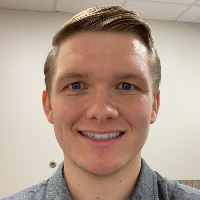
South Carolina · 5 yrs exp
Men's wellbeing-focused counselor with varied clinical experience
Stress, Anxiety · LGBT · Trauma and abuse · Bipolar · +11 more
Read profile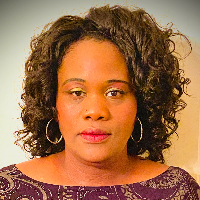
South Carolina · 9 yrs exp
Strength-focused counselor for lasting change
Stress, Anxiety · Trauma and abuse · Grief · Depression · +16 more
Read profile
South Carolina · 8 yrs exp
Supportive LCSW for practical change
Stress, Anxiety · Grief · Self esteem · Depression · +13 more
Read profile
South Carolina · 27 yrs exp
Experienced LCSW focused on men's wellbeing
Stress, Anxiety · Addictions · Sleeping · Self esteem · +1 more
Read profile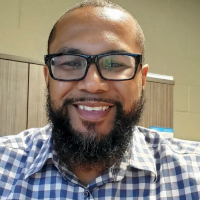
South Carolina · 11 yrs exp
Therapist focused on practical growth
Stress, Anxiety · Family · Self esteem · Depression · +16 more
Read profile
South Carolina · 10 yrs exp
Therapist focused on men's wellbeing and relationships
Stress, Anxiety · Relationship · Family · Trauma and abuse · +13 more
Read profileIf you live in South Carolina and are considering online therapy, you will find a range of licensed professionals offering remote services across the state. Many clinicians provide virtual sessions by video or, in some cases, by phone, which allows you to connect from a home, office, or other personal setting. Regulations in South Carolina require that mental health professionals hold state licenses to provide clinical services to residents, so the therapists listed here indicate licensure in their profiles. Because licensing requirements differ by profession - for example counselors, social workers, and psychologists each have separate boards - online offerings are structured to comply with those rules and ensure services are provided by credentialed practitioners.
Technology has expanded the geographic reach of counseling, allowing you to access professionals who specialize in specific issues even if they are not physically near your city. Online therapy in South Carolina is offered by clinicians who list a variety of approaches, from cognitive behavioral interventions to mindfulness-informed work, and who describe experience with particular populations and presenting concerns. While not every clinician will use the same platform or session format, the core goal remains helping you address the issues that brought you to therapy and supporting measurable progress over time.
Choosing online therapy can provide practical advantages that make it easier to prioritize mental health. You can reduce travel time and scheduling friction, which is especially helpful if you live in a rural area or work irregular hours. Virtual sessions allow you to connect with clinicians across the state, increasing the chance of finding someone who lists experience with the specific challenges you want to address or who shares cultural, linguistic, or identity-related perspectives that matter to you.
Another benefit is continuity of care when life requires travel or relocation within South Carolina. Because many therapists structure their practices for remote work, you can maintain an ongoing relationship without interruption as long as licensing rules allow services where you are located. Online therapy can also feel less intimidating for some people, enabling you to start treatment from a familiar environment. If you have mobility constraints, caregiving responsibilities, or transportation barriers, virtual sessions may offer a more practical route to consistent support.
Therapists who offer online services in South Carolina list a wide array of focus areas. Many describe work with anxiety and depressive symptoms, which are among the most common reasons people seek counseling. You will also find clinicians who list relationship and couples work, grief and loss, trauma-related concerns, and work-life balance or career transitions as areas of focus. Some therapists highlight experience working with substance use concerns or with men’s mental health issues specifically, while others emphasize support for LGBTQ+ identities, cultural and racial identity concerns, and parenting or family stress.
Approaches vary and are noted on therapist profiles; you may encounter clinicians who list cognitive-behavioral approaches, psychodynamic perspectives, mindfulness-informed practices, or other methods among their approaches. It is important to remember that a listing of a particular modality on a profile indicates that the therapist uses or discusses that approach in practice, not that a particular credential or certification is implied. When assessing whether a therapist is a good match for the issues you want to address, look at the combination of their stated approaches, populations of focus, and experience with similar concerns.
Verifying a therapist's license is an important step in choosing who to work with. You can start by locating the licensing board that governs the therapist's profession in South Carolina. Counselors, social workers, marriage and family therapists, and psychologists are each overseen by distinct boards and regulatory offices. Search for the appropriate South Carolina licensing board online or visit the state's official website to find a license lookup tool. Using that tool, you can enter the clinician's name or license number to confirm their license status, license type, and expiration date.
License lookup pages often include information about any disciplinary history or public actions. If you see notes or entries that concern you, you can contact the licensing board for clarification. When you review a profile, make a note of the license type listed and cross-check that against the board's terminology so you understand the scope of practice a license allows. If you are unsure which board to consult, you can contact the therapist directly and ask them to confirm their license number and issuing board, then verify that information via the state lookup tool before beginning work together.
Once you have identified therapists whose profiles align with your needs, prepare a brief message outlining the concerns you want to address and practical considerations like preferred session times, language preferences, and whether you will use insurance or pay privately. Profiles typically list contact options; use those to request an initial consultation or to ask preliminary questions about the therapist's approach. When you write or call, you can ask about paperwork, session length, and the technical platform they use for telehealth - knowing what to expect before your first session helps you arrive ready to focus on the work.
The first session often includes an intake conversation to gather background information, identify immediate concerns, and set initial goals. You can expect to discuss your history, current symptoms or stressors, and what you hope to achieve in therapy. Therapists typically explain their approach, office policies, and how they structure sessions. If you have preferences around communication style, cultural considerations, or topics you want to emphasize, bring those up early so you and the therapist can determine whether the working relationship is a good match.
Selecting a therapist involves more than checking credentials. You should consider the therapist's stated areas of focus, the populations they describe working with, the approaches they list, and whether their communication style aligns with your expectations. Some people look for clinicians who share demographic characteristics or life experiences that feel relevant, while others prioritize an approach or therapeutic orientation. Profiles that list languages spoken, cultural competencies, or specific areas of interest can help you narrow choices when identity and perspective matter to your comfort in therapy.
Practical factors shape whether a match is workable for you. Clarify session length, typical frequency, cancellation policies, and how records and billing are handled. If you plan to use insurance, ask the therapist whether their practice accepts it and how claims are processed, or whether they provide documentation you can submit to your insurer. After a few sessions, take time to reflect on whether you feel heard, whether progress is being made toward your goals, and whether the therapist's methods resonate with you. It is reasonable to try a clinician for a set number of sessions and then reassess; finding the right fit is an important part of effective care.
Choosing an online therapist in South Carolina is a personal process that balances practical needs, professional qualifications, and relational fit. By verifying licensure, reviewing profiles for approaches and experience, asking clear questions before your first session, and evaluating the working relationship over time, you can make an informed decision about who to work with. If you are ready to begin, use the listings above to explore licensed therapists serving South Carolina and reach out to those whose profiles match what you are looking for.
Addictions
2590 therapists
ADHD
2027 therapists
Anger
2955 therapists
Depression
4038 therapists
Grief
3154 therapists
Guilt and Shame
3936 therapists
Isolation / Loneliness
3706 therapists
Midlife Crisis
3235 therapists
Post-Traumatic Stress
3247 therapists
Self Esteem
3892 therapists
Social Anxiety and Phobia
3520 therapists
Stress & Anxiety
4457 therapists
Trauma and Abuse
3494 therapists
Career
2619 therapists
Caregiver Issues and Stress
2675 therapists
Communication Problems
3968 therapists
Coping with Life Changes
3590 therapists
Divorce
3240 therapists
Family
3130 therapists
Fatherhood Issues
2483 therapists
First Responder Issues
1477 therapists
Infidelity
2498 therapists
Life Purpose
3960 therapists
Money and Financial Issues
2179 therapists
Parenting
2547 therapists
Relationship
3851 therapists
Workplace Issues
3366 therapists