
Monica Burgos
LICSWDistrict of Columbia · 24 yrs exp
Experienced bilingual LICSW for men's wellbeing
Relationship · Trauma and abuse · Intimacy-related issues · Self esteem · +4 more
Read profileTherapist listings are provided by BetterHelp. We will earn a commission at no additional cost to you if you use our links to purchase.
Welcome to RoomForMen's directory for online therapists serving the District of Columbia. All therapists listed here are licensed to practice, and their profiles show approaches, languages, and focus areas. Explore the listings to find clinicians who match the support you want.
District of Columbia · 24 yrs exp
Experienced bilingual LICSW for men's wellbeing
Relationship · Trauma and abuse · Intimacy-related issues · Self esteem · +4 more
Read profile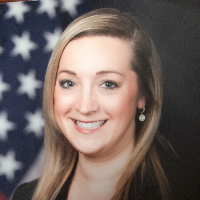
District of Columbia · 15 yrs exp
Relationship-focused LICSW offering practical support
Relationship · Family · Trauma and abuse · Self esteem · +12 more
Read profile
District of Columbia · 9 yrs exp
Practical, goal-focused support for men and others
Relationship · Family · Intimacy-related issues · Parenting · +7 more
Read profile
District of Columbia · 35 yrs exp
Seasoned clinical psychologist focused on practical change
Relationship · Family · Intimacy-related issues · Self esteem · +12 more
Read profile
District of Columbia · 30 yrs exp
Men's wellbeing focused therapist
Stress, Anxiety · Relationship · Self esteem · Depression · +12 more
Read profile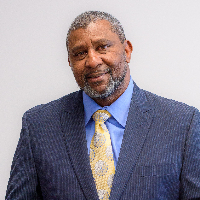
District of Columbia · 25 yrs exp
Experienced men's wellbeing counselor
Stress, Anxiety · Addictions · Family · Trauma and abuse · +13 more
Read profile
District of Columbia · 20 yrs exp
Supportive clinician focused on practical change
Addictions · LGBT · Trauma and abuse · Depression · +12 more
Read profile
District of Columbia · 5 yrs exp
Compassionate LICSW for men's wellbeing
Stress, Anxiety · Relationship · Family · Self esteem · +11 more
Read profile
District of Columbia · 35 yrs exp
Calm guidance for life and relationship challenges
Stress, Anxiety · Relationship · Family · Self esteem · +1 more
Read profileIf you live in the District of Columbia you will find that many licensed therapists offer online sessions alongside or instead of in-person appointments. Online therapy has become a common way to access counseling across the metropolitan area because it reduces commute time and lets you connect from familiar surroundings. For telehealth delivered across jurisdictions, licensing matters because professional authorization is tied to where services are provided and where you are located during a session. That means therapists you choose for online care should be licensed to practice in the District of Columbia when you are physically in the district.
Regulation and practice expectations are shaped by local policy, so therapists who list online work on their profiles typically follow DC rules for recordkeeping, informed consent, and privacy protections. You can expect a range of professional degrees and credentials among therapists, and many clinicians describe their preferred approaches and populations. Profiles on directories like this one usually include languages spoken, clinical focuses, and the therapeutic methods each therapist lists among their approaches. That transparency helps you narrow options before contacting a clinician for more detailed questions.
Online therapy offers practical benefits that can be especially useful in an urban environment like Washington, DC. You can schedule sessions in a way that fits around work, commuting, or family responsibilities. If you have mobility or transportation challenges, remote sessions reduce barriers to care. Working with a therapist who lists specialized approaches can also expand the pool of clinicians available to you; you might connect with someone who has experience addressing your concerns even if they are not located in your immediate neighborhood.
Another advantage is the ability to maintain continuity of care when life circumstances change. If you travel for work, change apartments, or relocate within the region, online sessions can make it easier to keep the same therapeutic relationship. Many clients also report that being in a familiar personal environment during a session helps them feel more at ease and better able to focus on work with their therapist. For those juggling family life or shift-based jobs, the greater scheduling flexibility offered by online therapy can make consistent care more feasible.
Online therapists in the District of Columbia work with a wide range of concerns. You can find clinicians who focus on anxiety, depression, stress related to work or studies, relationship and family issues, and life transitions such as career change or parenthood. Therapists who list trauma-informed approaches among their methods may work with survivors of past trauma, and those who include mindfulness or relaxation-based techniques often provide tools for managing chronic stress. Many clinicians also describe experience addressing identity-related concerns, including gender and sexual identity, cultural or racial stressors, and the unique pressures some men face around emotional expression and masculinity.
In addition to mental health conditions, online therapists often support people navigating behavioral health challenges, coping with grief and loss, and working through patterns that affect relationships. When a therapist lists approaches like cognitive-behavioral methods, psychodynamic perspectives, or emotion-focused work among their approaches, that signals the kinds of conversations and interventions they may emphasize. It is helpful to read profiles closely and pay attention to the language therapists use to describe the populations and issues they focus on so you can identify clinicians whose interests align with the kind of work you want to do.
Verifying a therapist's license is an important step before beginning online care. You should look for the license type on the clinician's profile and then confirm the status through the District of Columbia's official license lookup resources. Most licensing bodies provide an online search tool where you can enter a practitioner’s name or license number to check whether the license is active and whether any disciplinary actions are recorded. If online lookup is unclear, you can contact the relevant licensing office by phone or email to request clarification.
When verifying a license, note the expiration or renewal date, the exact title of the license, and any public disciplinary history. Common clinical credentials include social work, professional counseling, marriage and family therapy, and psychology degrees followed by the corresponding professional license designation. If a therapist lists additional professional affiliations or postgraduate training, understand that directory profiles reflect what the clinician reports; the license lookup confirms the legal authorization to practice. Keeping a copy of the license number or screenshot of the lookup result can be helpful for your records when you begin working with a clinician.
Starting with online therapy begins with clarifying what you want to address and what matters most in a therapeutic relationship. Think about whether you prefer a clinician who emphasizes practical skills, explores deeper patterns and history, or focuses on relationships and intimacy. Use the directory profiles to shortlist therapists who list relevant approaches, languages, and population focus. When you reach out, you can ask about their approach to remote care, session length, fees, and what to expect during the first few meetings.
Choosing a therapist is a personal decision and fit matters. It is normal to explore more than one profile before deciding whom to contact. Pay attention to how clinicians describe their work, the populations they serve, and any information about cultural competence or experience with issues that matter to you. Consider practical factors that affect the therapeutic relationship, such as whether the therapist speaks your preferred language, whether their stated approach aligns with how you like to work, and whether their description resonates with your sense of what may help you grow.
During early conversations or initial sessions you should look for a collaborative tone and clear information about session structure and goals. Effective online therapy often depends on technical and logistical preparedness as well - choose a quiet, uninterrupted place for sessions, ensure your device and internet connection are reliable, and ask the therapist about their protocols for electronic records and emergency contact procedures. If you ever feel a mismatch with a clinician, it is reasonable to discuss it or to look for another therapist whose style and focus better match your needs.
Finding the right online therapist in the District of Columbia can take time, but access to licensed clinicians who list a variety of approaches means you can find someone whose expertise and way of working align with what you want to accomplish. Use the directory to explore profiles, verify licensure through official DC resources, and begin conversations that make it clear how a clinician approaches online care and what you can expect as you work together toward your goals.
Addictions
2590 therapists
ADHD
2027 therapists
Anger
2955 therapists
Depression
4038 therapists
Grief
3154 therapists
Guilt and Shame
3936 therapists
Isolation / Loneliness
3706 therapists
Midlife Crisis
3235 therapists
Post-Traumatic Stress
3247 therapists
Self Esteem
3892 therapists
Social Anxiety and Phobia
3520 therapists
Stress & Anxiety
4457 therapists
Trauma and Abuse
3494 therapists
Career
2619 therapists
Caregiver Issues and Stress
2675 therapists
Communication Problems
3968 therapists
Coping with Life Changes
3590 therapists
Divorce
3240 therapists
Family
3130 therapists
Fatherhood Issues
2483 therapists
First Responder Issues
1477 therapists
Infidelity
2498 therapists
Life Purpose
3960 therapists
Money and Financial Issues
2179 therapists
Parenting
2547 therapists
Relationship
3851 therapists
Workplace Issues
3366 therapists