
Prof. Craig Hutton
LCSWNew Mexico · 4 yrs exp
Therapist focused on practical growth
Stress, Anxiety · Relationship · Trauma and abuse · Intimacy-related issues · +11 more
Read profileTherapist listings are provided by BetterHelp. We will earn a commission at no additional cost to you if you use our links to purchase.
Welcome to RoomForMen's directory of online therapists serving New Mexico. All therapists listed are licensed in New Mexico; explore profiles to compare approaches, credentials, languages and experience.
New Mexico · 4 yrs exp
Therapist focused on practical growth
Stress, Anxiety · Relationship · Trauma and abuse · Intimacy-related issues · +11 more
Read profile
New Mexico · 39 yrs exp
Practical, relationship-focused counseling and coaching
Stress, Anxiety · Relationship · Grief · Anger · +4 more
Read profile
New Mexico · 40 yrs exp
Experienced counselor for life transitions
Stress, Anxiety · LGBT · Relationship · Grief · +13 more
Read profile
New Mexico · 35 yrs exp
Experienced LCSW focused on practical recovery support
Stress, Anxiety · Addictions · Trauma and abuse · Depression · +1 more
Read profile
New Mexico · 10 yrs exp
Practical, relationship-focused therapy for life changes
Stress, Anxiety · Family · Grief · Depression · +12 more
Read profile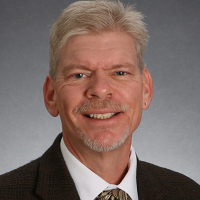
New Mexico · 16 yrs exp
Supportive counselor focused on practical change
Stress, Anxiety · Trauma and abuse · Grief · Depression · +15 more
Read profile
New Mexico · 18 yrs exp
Helping people manage stress and relationships
Stress, Anxiety · Addictions · Relationship · Family · +1 more
Read profile
New Mexico · 10 yrs exp
Practical therapy for daily challenges
Stress, Anxiety · Relationship · Grief · Anger · +6 more
Read profile
New Mexico · 8 yrs exp
Therapist focused on resilience and story
Trauma and abuse · Grief · Self esteem · Stress, Anxiety · +10 more
Read profile
New Mexico · 16 yrs exp
Men's wellbeing focused LCSW
Stress, Anxiety · Addictions · Trauma and abuse · Bipolar · +13 more
Read profile
New Mexico · 10 yrs exp
Practical care for men's wellbeing and relationships
Stress, Anxiety · Trauma and abuse · Intimacy-related issues · Self esteem · +11 more
Read profile
New Mexico · 7 yrs exp
Practical therapy for stress, trauma, and life change
Stress, Anxiety · Trauma and abuse · Career · Depression · +11 more
Read profile
New Mexico · 6 yrs exp
Practical counseling rooted in strengths and experience
Relationship · Self esteem · Career · Coping with life changes · +14 more
Read profile
New Mexico · 6 yrs exp
Experienced LCSW focused on men's wellbeing
Stress, Anxiety · LGBT · Relationship · Bipolar · +1 more
Read profile
New Mexico · 30 yrs exp
Experienced clinician focused on practical change
Relationship · Trauma and abuse · Career · Depression · +9 more
Read profile
New Mexico · 25 yrs exp
Change your inner experience toward steadier living
Stress, Anxiety · Trauma and abuse · Anger · Depression · +16 more
Read profile
New Mexico · 7 yrs exp
Straightforward, strengths-focused therapy for men
Stress, Anxiety · Relationship · Intimacy-related issues · Self esteem · +6 more
Read profile
New Mexico · 9 yrs exp
Supportive counselor for men's wellbeing and relationships
Stress, Anxiety · Relationship · Trauma and abuse · Self esteem · +1 more
Read profileOnline therapy has become a common way for people in New Mexico to access counseling, especially when travel, work schedules or geographic distance make in-person care difficult. If you live in New Mexico, many clinicians offer sessions by video or phone so you can connect from your home, workplace or another comfortable environment. Laws and professional rules vary by license type, so therapists who provide online services and list New Mexico as their practice location generally hold credentials that allow them to work with residents of the state. Technology has expanded the pool of practitioners who can support you, including clinicians who list a range of therapeutic approaches and who work with men across different life stages and backgrounds.
Online sessions can also help people who live in rural parts of the state access clinicians who would otherwise be far away. That said, internet speed, device quality and a quiet, interruption-free space can affect the experience. As you look at profiles, you may notice clinicians who list cognitive behavioral approaches, trauma-focused methods, or couples and relationship work among their approaches. Those listings indicate the approaches therapists say they use, which can help you identify clinicians whose style and focus align with what you are seeking.
When you choose online therapy, you may find practical benefits that fit into a busy life. You can reduce or eliminate travel time and the stress of driving in weather or on long routes, which is particularly helpful in a state with wide distances between communities. Online sessions can make it easier to schedule appointments around work, family and other obligations, and the format may allow you to connect with clinicians who speak your language or specialize in areas that matter to you, even if they are not located in your town.
Another advantage is continuity - when life events such as relocation for work or school occur, a clinician who offers remote sessions can sometimes continue working with you. You may also find more options for clinicians who list experience with men's issues, sexuality and identity, grief, or life transitions. It is important to weigh these benefits against practical considerations like internet reliability and the need for a quiet area during sessions. Taking a little time to set up your space and test your technology can make online work feel more like an in-person appointment and less like a task added to your day.
Online practitioners in New Mexico work with a wide range of concerns that many people seek support for. You can expect to find clinicians who list anxiety and depression among the issues they address, as well as stress related to work, relationships and family responsibilities. Many therapists also list trauma-related work and grief support, which can help when past events continue to affect daily functioning. For men, common focus areas often include relationship challenges, anger management, identity and sexuality, parenting transitions and the stress that comes with major life changes.
Therapists who list approaches such as cognitive behavioral therapy among their approaches frequently emphasize practical strategies for managing symptoms and changing patterns of thought and behavior. Those who list trauma-focused methods or EMDR among their approaches describe ways they work with people processing painful memories. Some clinicians list couples or family approaches, which can be useful if your concerns involve relationship dynamics. Remember that listing an approach is not the same as certification in it - it indicates the kinds of methods a clinician may use. Reviewing profile descriptions and introductory materials can help you understand how a therapist frames their work and whether that aligns with what you want to address.
Verifying a clinician's license is a practical step that gives you factual information about the license type and status. Start by locating the relevant state licensing board for the clinician's profession - for example, counselors, social workers and psychologists each have state boards that list licensed practitioners. On a licensing board website you can usually enter a clinician's full name to see the license type, expiration date and whether any disciplinary actions are recorded. If a name search returns multiple results, compare the license number and professional designation to the information on the therapist's profile.
If you are unsure which board to consult, look for the state government page that oversees health and professional regulation and find the section for behavioral health licensure. You can also contact the board directly by phone or email to ask about a license number or status. When reviewing records, note the license type such as LPC, LCSW or psychologist and any public notes about restrictions or discipline. This information does not evaluate fit, but it gives you a factual baseline as you consider clinicians whose profiles describe particular approaches or populations served.
Before you schedule a first session, take time to clarify what you want from therapy. Think about the issues that bring you to therapy, what you hope to change and what a successful outcome would look like. When you review profiles, pay attention to credentials, populations served, languages offered and the approaches therapists list. Make a short list of clinicians whose descriptions resonate, then note any questions you want to ask them or their intake team. Practical preparations include checking that your device has a camera and microphone if you plan to use video, finding a quiet place where you will not be interrupted and ensuring a stable internet connection for the session.
When you connect for an initial conversation or intake, use that time to assess how comfortable you feel with the clinician's communication style and approach. Ask how they typically structure sessions, what a typical goal-setting process looks like and how they measure progress. If cultural fit is important to you, inquire about their experience working with men, with your cultural background or with LGBTQ+ clients if relevant. If a clinician lists specific approaches among their methods, you can ask how those approaches are used in practice and what a session using that approach might feel like. Also discuss practical details such as session length, fees, insurance billing and emergency procedures so you understand how the clinical relationship will operate.
Choosing the right therapist often comes down to both expertise and rapport. Some people prioritize a clinician whose profile shows experience with the specific issue they are facing, while others place more weight on feeling heard, understood and respected during early conversations. It is reasonable to try an initial session and then reflect on whether the clinician's style and the therapeutic plan feel like a fit for your needs. As you move forward, you can refine goals and communicate openly about what is or is not working so the clinician can adapt their approach to better support you.
Across these steps, approach the search with curiosity about how different clinicians describe their work and a clear sense of what you want from therapy. That combination can help you identify a clinician whose approach, credentials and communication style align with your goals and personal preferences as you pursue support online in New Mexico.
Addictions
2590 therapists
ADHD
2027 therapists
Anger
2955 therapists
Depression
4038 therapists
Grief
3154 therapists
Guilt and Shame
3936 therapists
Isolation / Loneliness
3706 therapists
Midlife Crisis
3235 therapists
Post-Traumatic Stress
3247 therapists
Self Esteem
3892 therapists
Social Anxiety and Phobia
3520 therapists
Stress & Anxiety
4457 therapists
Trauma and Abuse
3494 therapists
Career
2619 therapists
Caregiver Issues and Stress
2675 therapists
Communication Problems
3968 therapists
Coping with Life Changes
3590 therapists
Divorce
3240 therapists
Family
3130 therapists
Fatherhood Issues
2483 therapists
First Responder Issues
1477 therapists
Infidelity
2498 therapists
Life Purpose
3960 therapists
Money and Financial Issues
2179 therapists
Parenting
2547 therapists
Relationship
3851 therapists
Workplace Issues
3366 therapists