- Practical behavioral approaches
- Trauma-informed care
- Focus on wellbeing
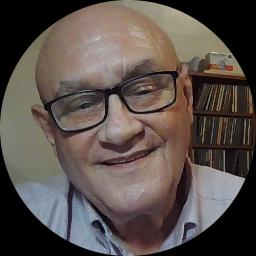
About Steven
Steven Forsyth helps men and others who are struggling with stress, anxiety, addiction, grief, relationship and intimacy concerns, and changes in life roles. He is a Licensed Professional Counselor, LPC, with 25 years of experience and a long history of working with mood, trauma, and substance-related issues. Steven writes plainly and aims to make the first steps feel manageable for someone who is worried or unsure.
He focuses on practical, evidence-informed methods. Sessions often look at thoughts and behaviors that keep problems going, and then test small changes that can make daily life easier. He also uses trauma-focused approaches when past events continue to cause distress, and mindfulness-based practices to reduce reactivity and build calmer responses.
Steven draws on a background in addiction counseling that began after his own recovery in 1982. Over the years he has added several therapeutic approaches to his work, including cognitive behavioral strategies, acceptance and commitment ideas, mindfulness, motivational interviewing, and EMDR as a trauma tool. He describes his way of working as holistic - looking at how life events, habits, and relationships fit together.
In sessions he aims to be straightforward and encouraging. Steven helps clients set realistic goals and tries simple experiments to see what helps. He also supports people coping with grief, chronic illness, caregiving strain, body image concerns, ADHD, and other long-term challenges.
He offers services from Missouri and works in English. International clients are accepted through the platform’s intake process. To begin, readers can use the Start Therapy button and complete a short matching questionnaire to schedule with him according to his availability.
How therapy approaches translate to online sessions
Acceptance and Commitment Therapy, or ACT, focuses on clarifying what matters most and building small, useful actions that align with those values. It can help with anxiety, depression, and motivation by teaching ways to notice thoughts and commit to meaningful steps. Cognitive Behavioral Therapy, CBT, looks at the links between thoughts, feelings, and behaviors and tests small changes to reduce distress and improve daily routines. It is often used for anxiety, mood, addiction, and sleep issues. Eye Movement Desensitization and Reprocessing, EMDR, is a trauma-focused approach that involves structured processing of distressing memories and related feelings when past events continue to cause symptoms.Finding the right approach is part of the therapy process. The therapist works collaboratively to match methods to a person’s goals, needs, and comfort level. Expect choices to be discussed openly and adjusted as progress is made.
Session formats are not listed in the biography, so confirm current options before booking. In general, online therapy can make it easier to fit sessions into a busy life, reduce travel time, and allow shorter check-ins when schedules are tight. Phone sessions can be handy when bandwidth or being on camera is an issue, while video sessions allow face-to-face interaction for showing materials and practicing skills together. Ask about the available session formats when you schedule so you can pick what fits your routine.
Areas of expertise
Primary focus
Also works with
Additional focus areas
Therapeutic approaches
Experience
25+ years
Credentials
Missouri
Languages
English
Frequently asked questions
What kinds of problems does he help with?
He works with stress, anxiety, depression, addictions, trauma and grief, relationship and intimacy concerns, eating and sleeping issues, ADHD, and many life transitions.
How would he describe his therapeutic style?
He uses straightforward, practical methods such as cognitive behavioral ideas, acceptance and commitment techniques, mindfulness, motivational interviewing, and trauma-focused work when needed.
What is his professional background?
He has 25 years of clinical experience and a long history in addiction counseling that began after personal recovery in 1982.
What credentials and location are on record?
He holds an LPC credential and practices from Missouri.
Can people who live outside the U.S. work with him?
Yes, international clients are accepted through the service’s intake and matching process.
In what language are sessions conducted?
Sessions are offered in English.
How does payment and cost work?
Cost varies with location and therapist availability; sessions use a subscription that can be canceled at any time.
What do I do to start therapy with him?
Use the Start Therapy button, complete a short matching questionnaire, and then schedule according to the therapist’s availability.