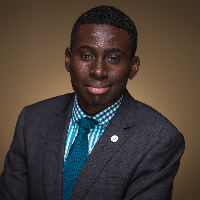
- Client-focused care
- Mindful techniques
- 11 years experience
About Emmanuel
Dr. Emmanuel Oppong welcomes people looking for clearer thinking and steadier days. He focuses on men's wellbeing among other concerns and helps with stress, anxiety, addiction, relationship strain, depression, grief, and LGBTQ+ issues. He is a Licensed Professional Clinical Counselor, LPCC, and has eleven years of practice experience.
He draws on straightforward, person-focused methods. In sessions he listens first, then helps set small, practical steps to try between meetings. He uses techniques from cognitive behavioral work, mindfulness, motivational interviewing, and other approaches to match each person's needs.
Emmanuel has worked in many settings including clinics, schools, prisons, and both inpatient and outpatient treatment programs. That variety shaped his skill at working with people in different life situations and levels of distress. He offers care in English and in Akan and Twi for people who prefer those languages.
His style is collaborative and down-to-earth. He aims to make therapy feel useful and relevant to daily life, whether the concern is anger, intimacy, body image, or coping after loss. He also supports people facing issues like communication problems, codependency, substance use, and the strains of blended family situations.
To begin, visitors can use the site Start Therapy flow to match with him and schedule sessions. He accepts international clients and tailors the plan to what each person needs and wants.
How therapeutic approaches translate to online care
Client-Centered Therapy focuses on understanding each person's perspective and building a supportive relationship; this helps with feelings of isolation, low self esteem, and relationship concerns. Cognitive Behavioral Therapy, or CBT, looks at how thoughts influence behavior and mood and offers concrete exercises to change unhelpful patterns, which can help with anxiety, depression, and stress.Choosing the right approach is a shared process. The therapist will talk through goals and preferences, try practical strategies, and adjust methods as needed so the plan fits the person's life and symptoms.
Confirm available session formats before booking since the biography does not list specific delivery methods. Online work can make it easier to fit appointments into a busy week, shorten check-ins when needed, and let people join from different locations. It also allows follow-up between meetings using brief exercises and coaching tasks to reinforce progress.
Areas of expertise
Primary focus
Also works with
Additional focus areas
Therapeutic approaches
Experience
11+ years
Credentials
Minnesota
Languages
English, Akan, Twi
Frequently asked questions
What concerns does he help with?
He helps with stress, anxiety, addictions, relationship and family issues, depression, LGBT concerns, trauma and abuse, grief, intimacy-related issues, anger, self esteem, career matters, and coaching.
What is his therapeutic style like?
He uses a client-centered approach that emphasizes listening and collaboration, paired with practical tools from cognitive behavioral methods and mindfulness.
What kinds of settings has he worked in?
He has eleven years of experience in clinics, schools, prisons, and both inpatient and outpatient treatment facilities.
What are his credentials and where is he located?
He holds the LPCC credential as a Minnesota LPCC and practices out of Minnesota.
Which languages are available for sessions?
Sessions are offered in English, Akan, and Twi to support speakers of those languages.
Can people outside the United States work with him?
He accepts international clients; confirm details and scheduling when you start the matching process.
How does pricing work for sessions?
Cost varies by location and therapist availability; sessions use a subscription model that can be canceled at any time.
What is the first step to begin therapy?
Use the Start Therapy button, complete a short matching questionnaire, then schedule based on the therapist's availability.