- Direct support
- Recovery perspective
- Practical skills
About Brian
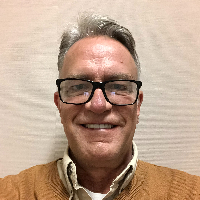
Brian Hunt is a Licensed Independent Social Worker (LISW) practicing in Ohio with 15 years of experience. He brings a straightforward, steady presence to sessions and focuses on helping people manage stress, addiction, mood concerns, and men’s wellbeing. He talks with clients about practical steps they can take day to day to feel a bit steadier.
He emphasizes active listening and collaborative problem solving. Sessions often focus on small, concrete changes rather than abstract theory. Brian describes recovery as a process and aims to be an ally who walks alongside people during that process.
Because he has personal experience in recovery, he draws on that perspective when discussing addiction and relapse prevention. That lived experience informs how he talks about courage, setbacks, and rebuilding routines.
Clinically he uses methods such as Cognitive Behavioral Therapy, Dialectical Behavior Therapy, mindfulness, Motivational Interviewing, and Solution-Focused Therapy. He adapts those approaches to match what the person wants to work on and what feels useful in the moment.
People come for help with anxiety, depression, anger, trauma, relationship concerns, and life transitions. Brian emphasizes practical skills, clearer communication, and steady routines to help people move forward.
How his approaches translate to online work
Brian commonly uses Cognitive Behavioral Therapy and Motivational Interviewing alongside mindfulness practices. Cognitive Behavioral Therapy focuses on identifying unhelpful thoughts and testing small behavior changes to see what helps. Motivational Interviewing centers on the client's own reasons for change and supports building motivation without pressure. Mindfulness Therapy teaches simple attention and breathing exercises to reduce reactivity and ground someone during stress.Choosing the right method is a collaborative process. The therapist will talk with the person about goals, preferences, and what has worked or not worked before, then try approaches that seem most useful. Adjustments are made as needed rather than sticking to a single method.
If you are considering online sessions, confirm the current session options before booking since formats are not listed here. Online work can make it easier to fit appointments into a busy day, allow shorter check-ins when needed, and remove travel time so sessions can be scheduled around work or family commitments. Many people find that concrete skill practice, behavioral experiments, and motivational conversations carry over well into everyday life when done remotely.
Areas of expertise
Primary focus
Also works with
Additional focus areas
Therapeutic approaches
Experience
15+ years
Credentials
Ohio
Languages
English
Frequently asked questions
What kinds of problems does he help with?
He helps people manage stress, anxiety, depression, addictions, anger, trauma, and related concerns such as codependency and communication problems.
What is his general therapy style?
His approach is supportive and practical, using active listening and problem solving to identify small, achievable steps clients can take between sessions.
How much experience does he have?
He has 15 years of experience as a clinician working in mental health and addictions settings.
What credentials and location apply to his practice?
He holds the LISW credential and practices in Ohio as an OH LISW.
Which languages are supported for sessions?
Sessions are offered in English.
Can people outside the U.S. work with him?
He is not accepting international clients at this time.
How are sessions paid for?
Cost varies with location and therapist availability, and sessions use a subscription that can be canceled at any time.
How do I begin a therapy match?
Use the Start Therapy button, complete a short matching questionnaire, and schedule based on the therapist's availability.