- Men's wellbeing focus
- Practical coping skills
- Trauma-informed approach
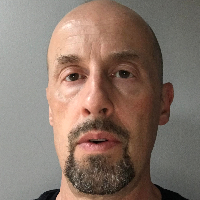
About Thomas
Thomas Zimm is a licensed clinical social worker who focuses on men's wellbeing among other concerns. He brings 14 years of experience helping people manage stress, anxiety, grief, anger, depression, and trauma. He works with individuals facing addiction, ADHD, bipolar mood challenges, and relationship or family tensions. Thomas aims to offer steady support and practical strategies for day-to-day struggles.
He trained at the Jane Addams School of Social Work and holds a Master of Social Work degree. Over more than a decade he has worked with people who experienced abuse, neglect, domestic violence, separation, loss, homelessness, and substance difficulties. That background shaped how he listens and responds in sessions.
Thomas uses a collaborative, nonjudgmental style. He focuses on engagement, validation, and advocacy instead of labels. In sessions he mixes practical tools with reflective conversation to help people notice what matters and take small steps toward change.
Methods he draws on include mindfulness practices, cognitive-behavioral techniques, acceptance-based ideas, attachment-informed work, and trauma-focused approaches. He aims to match methods to each person's needs and goals while offering steady support along the way.
People who choose him can expect calm, consistent guidance and help turning difficult feelings into manageable steps. He emphasizes listening first, then building coping skills and clearer routines that fit everyday life.
How therapy approaches translate to online work
Acceptance and Commitment Therapy helps people notice painful thoughts and feelings without getting stuck in them, then choose actions that match their values. It can be useful for anxiety, depression, and stress when someone wants clear steps to move forward. Attachment-Based Therapy looks at how early relationships shape current patterns, and it helps people build safer ways of relating and managing triggers. That approach can support those dealing with bonding, abandonment, or fatherhood issues.Finding the right approach is part of the work. Thomas will collaborate with each person to decide which methods fit their goals and preferences. He listens to what matters most, tries different tools, and adjusts plans as needs change rather than sticking to a fixed technique.
Online therapy can make it easier to fit sessions into a busy life, shorten travel time, and allow check-ins between in-person visits. Because the biography does not specify session formats, confirm the current session options before booking. If online sessions are arranged, they can help people maintain regular contact, practice skills in real-life settings, and make scheduling less disruptive to work or caregiving routines.
Areas of expertise
Primary focus
Also works with
Additional focus areas
Therapeutic approaches
Experience
14+ years
Credentials
Illinois
Languages
English
Frequently asked questions
What kinds of concerns does Thomas focus on?
He helps people with stress, anxiety, trauma and abuse, grief, anger, depression, addictions, relationship and family concerns, bipolar disorder, compassion fatigue, and ADHD, along with related issues such as abandonment, attachment, fatherhood issues, and post-traumatic stress.
How would you describe his therapeutic style?
His approach is supportive and collaborative. He emphasizes engagement and validation and aims to work with people rather than label them.
What is his professional background?
He earned a Master of Social Work from the Jane Addams School of Social Work and has 14 years of experience working with children and adults affected by abuse, neglect, domestic violence, loss, homelessness, and substance issues.
Which credential does he hold and where is he based?
He holds an LCSW (licensed clinical social worker) in Illinois and practices from that state.
Can sessions be conducted in languages other than English?
Sessions are offered in English.
Does he work with clients outside the United States?
He accepts international clients.
How are fees and payment handled?
Cost varies by location and other factors; sessions use a subscription that can be canceled at any time.
What do I need to do to begin working together?
Click the Start Therapy button, complete a short matching questionnaire, and schedule according to therapist availability.