- Calm and goal oriented
- Values-based tools
- Trauma-informed approach
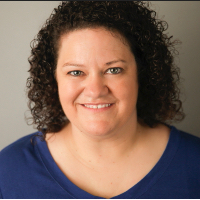
About Katherine
Katherine Treadway is a licensed clinical social worker who helps people manage stress, anxiety, trauma, and relationship issues. She supports men’s wellbeing alongside other concerns like parenting, addiction, grief, and career strain. She focuses on practical steps clients can take to feel steadier and more connected.
Katherine works in a calm, respectful way that centers the person in the room. Sessions emphasize clear goals and usable skills. She listens for patterns that keep problems cycling and offers tools to interrupt those patterns.
Her work draws on cognitive behavioral ideas to change unhelpful thinking and on acceptance-based methods to help people live by their values. She also uses emotionally focused approaches to improve communication and address intimacy-related concerns.
Katherine has four years of clinical experience as an NC LCSW. That background includes supporting people who have served as first responders and veterans, and those coping with family-of-origin issues and blended family challenges.
Her style is collaborative and down-to-earth. Clients can expect straightforward conversations, practical homework when it helps, and attention to safety when trauma or domestic violence issues arise.
How her approaches translate to online therapy
Acceptance and Commitment Therapy (ACT) helps people notice hard thoughts and feelings while choosing actions that match their values; it is useful for anxiety, stress, and life transitions. Cognitive Behavioral Therapy (CBT) focuses on spotting and changing patterns of thinking and behavior that feed depression or anxiety, and it often includes practical exercises to try between sessions. Emotionally-Focused Therapy (EFT) concentrates on feelings and the ways people connect with others, which can help with intimacy and relationship struggles.Finding the right approach is a collaborative process. The therapist will talk with each person about goals and preferences, then suggest which methods to try first. That plan can change over time based on what is helpful and what the client notices about progress.
Because session formats are not specified in the biography, confirm current options before booking. Online therapy can make it easier to fit sessions around work, reduce travel time, and allow shorter check-ins when schedules are tight. It can also let people practice new skills in day-to-day life and bring real situations into sessions for discussion.
Areas of expertise
Primary focus
Also works with
Additional focus areas
Therapeutic approaches
Experience
4+ years
Credentials
North Carolina
Languages
English
Frequently asked questions
What kinds of problems does she help with?
She supports people facing stress, anxiety, trauma and family difficulties, plus concerns like addiction, grief, intimacy issues, anger, and parenting challenges.
How would you describe her therapy style?
Her style is collaborative and practical. She listens carefully and offers tools and small steps clients can try between sessions.
What is her clinical background?
She has four years of clinical experience and has worked with people such as veterans and first responders, as well as others facing workplace or family stress.
What credentials and location are listed?
She is an NC LCSW, which means licensed clinical social worker in North Carolina.
Can sessions be held in languages other than English?
Sessions are offered in English.
Does she work with international clients?
She does accept international clients, so people outside the U.S. may be able to work with her.
How are fees and payments handled?
Cost varies with location and therapist availability; sessions use a subscription that can be canceled at any time.
What do I do to begin therapy?
Click the Start Therapy button, complete a short matching questionnaire, and then schedule a session according to therapist availability.