- Attachment-informed
- Goal focused
- Skills based
About Erika
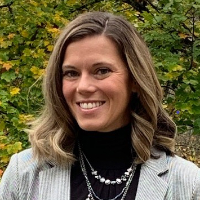
Erika Rucker is an LPC (Licensed Professional Counselor) who focuses on helping individuals with stress, anxiety, relationships, grief, and addictions. She presents a calm, practical approach and centers the conversation on what a person wants to change. Erika’s work is straightforward and goal-oriented, with attention to daily challenges like sleep, eating, and coping with life changes.
She draws on attachment-based ideas to look at how relationships shape feelings and patterns. Erika also uses client-centered methods to make sessions feel collaborative and respectful of each person’s pace. Cognitive Behavioral Therapy (CBT) and Dialectical Behavior Therapy (DBT) tools are offered when helpful to manage thoughts, emotions, and behaviors.
Erika has three years of experience as a licensed counselor in West Virginia and has worked with concerns such as trauma and addiction. She emphasizes building trust so people feel comfortable talking about painful issues. That foundation guides how she and a client set practical goals and plan small steps toward change.
Sessions cover a wide range of life stresses, including parenting strain, career pressure, compassion fatigue, and intimacy-related worries. Erika also addresses attachment-related struggles like abandonment or communication problems in relationships. Her style is responsive: she listens, reflects, and suggests strategies suited to each person’s life.
People can expect a mix of talking, skill-building, and problem-solving. Erika encourages clients to bring specific situations to sessions so they can practice new ways of coping. She invites those ready to work on change to begin the matching process and schedule sessions.
How therapy approaches translate to online work
Erika commonly uses Attachment-Based Therapy and Cognitive Behavioral Therapy in her work. Attachment-based work looks at how early and current relationship patterns affect how someone connects and responds to stress, which can help with intimacy and abandonment concerns. Cognitive Behavioral Therapy focuses on spotting unhelpful thoughts and testing new behaviors to reduce anxiety, depression, and sleep or eating problems.Choosing the right approach is a collaborative process. Erika will talk with each person about their goals and preferences and suggest approaches that fit. Together they decide whether to focus on relationship patterns, thought and behavior change, or a mix of tools based on coping needs.
If you are considering online sessions, confirm the available session options before booking so you know how sessions are scheduled. Online work can make it easier to fit counseling into a busy week and to check in without a commute. It can also allow shorter check-ins when needed, or sessions that do more skills practice and coaching between meetings. Licensed professionals can adapt attachment work and CBT techniques effectively in virtual formats, and Erika will tailor the plan to match each person’s daily life and goals.
Areas of expertise
Primary focus
Also works with
Additional focus areas
Therapeutic approaches
Experience
3+ years
Credentials
West Virginia
Languages
English
Frequently asked questions
What kinds of problems does Erika focus on?
She works with stress, anxiety, depression, grief, trauma and addiction-related concerns, plus relationship and intimacy issues.
How would you describe her therapy style?
Her approach is collaborative and down-to-earth, combining attachment-based listening with client-centered support and practical CBT or DBT tools when useful.
What is her professional background?
Erika holds a Licensed Professional Counselor credential and has three years of counseling experience in West Virginia.
Where does she practice and what credential does she hold?
She practices in West Virginia and is licensed as an LPC in that state.
Which languages are supported for sessions?
Sessions are offered in English.
Can people outside the United States work with her?
She does not accept international clients at this time.
How are session fees handled?
Cost varies with location and therapist availability; sessions use a subscription that can be canceled at any time.
How do I begin working with her?
Use the Start Therapy button, complete a short matching questionnaire, and then schedule according to therapist availability.