- Men's wellbeing focus
- Practical coping skills
- Values-based work
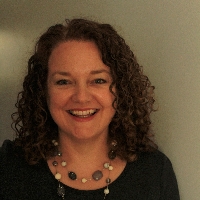
About Elizabeth
Elizabeth Shartle is a licensed professional clinical counselor with 15 years of experience. She focuses on helping men and other adults manage stress, anxiety, addiction concerns, and major life changes. She aims to make therapy straightforward and useful, so people leave with clearer coping steps and stronger communication skills.
Shartle uses practical methods to help clients handle relationship strain, grief, anger, and workplace pressure. She helps people notice patterns that keep them stuck and try small changes that fit their daily lives. Sessions often include talking through problems, building new responses, and practicing skills between meetings.
Her work pays attention to trauma, family of origin issues, parenting concerns, and challenges like bipolar disorder and depression. She also supports those facing caregiver stress, codependency, and addiction-related problems. The goal is steady progress rather than quick fixes.
Therapy draws on several evidence-based approaches, with an emphasis on Acceptance and Commitment Therapy, cognitive behavioral ideas, and client-centered listening. Shartle frames therapy as a collaborative effort where the person’s values guide change. She helps people find meaning and practical ways to live in line with what matters to them.
Based in Ohio, she brings experience across adult life stages from young adulthood through midlife. People who want clear steps, honest conversation, and a focus on real-world coping may find her style helpful.
How ACT, CBT, and Client-Centered Work Online
Acceptance and Commitment Therapy helps people clarify what matters to them and take small, value-driven steps. It is useful for stress, anxiety, and life-direction questions. Cognitive Behavioral Therapy looks at how thoughts and actions keep problems going and teaches concrete skills to shift them, which helps with anxiety, depression, and mood challenges. Client-Centered Therapy focuses on being heard and understood, creating space to process emotions and build self-trust.Finding the best approach is part of therapy. The therapist will talk with each person about goals and preferences, then try methods that match those aims. That collaborative process helps tailor sessions to practical needs instead of using a one-size-fits-all plan.
Confirm the available session options before booking, as formats are not listed here. Online work can make it easier to fit sessions into a busy life, reduce travel time, and allow for shorter check-ins when needed. It also lets people practice skills between meetings in the environments where they live and work, which can speed up learning and make change more relevant.
Areas of expertise
Primary focus
Also works with
Additional focus areas
Therapeutic approaches
Experience
15+ years
Credentials
Ohio, California
Languages
English
Frequently asked questions
What concerns does she address?
She works with stress, anxiety, depression, bipolar challenges, addictions, grief, trauma, relationship and communication problems, and parenting and fatherhood issues.
What is her therapy style like?
She uses direct, practical sessions that combine listening with skill practice. The focus is on small, doable changes tied to a person's values.
How much experience does she have?
She has 15 years of clinical experience working with adults through a range of life challenges.
What credentials and location apply?
She is an LPCC licensed in Ohio and California and maintains a practice based in Ohio.
Which languages are supported?
Sessions are offered in English.
Can international clients work with her?
She does not accept international clients at this time.
How are costs and billing handled?
Costs vary with location and therapist availability; sessions use a subscription model that can be canceled at any time.
What are the first steps to begin?
Click the Start Therapy button, complete a short matching questionnaire, and schedule according to the therapist's availability.