- Practical emotion tools
- Goal focused planning
- Values driven work
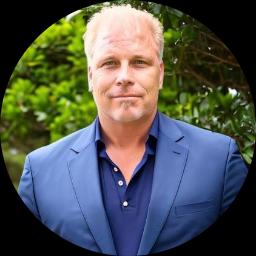
About Christopher
Christopher Korty, LCSW, helps people manage stress, anxiety, depression, and issues that often come with life transitions. He focuses on practical problems like anger, communication difficulties, addiction concerns, and self-esteem. Christopher also addresses men's issues and challenges common to young adults. He works with clients who are coping with grief, trauma, bipolar disorder, ADHD, and the strains of parenting and career change.
Christopher uses straightforward conversation and goal-focused plans. He explains options plainly and adapts sessions to each person's needs. Expect concrete strategies for emotion regulation and problem solving alongside chances to reflect on values and life purpose.
Over two decades of practice inform his approach, giving him experience with a wide range of emotional and behavioral concerns. He emphasizes respect, sensitivity, and compassion in the room. This often means breaking bigger problems into small, manageable steps so progress is clear.
Therapeutic work includes cognitive and skills-based methods to shift unhelpful thinking and behavior. Motivational techniques support commitment to change when habits or addictions are involved. Dialectical skills are used to build better coping with strong emotions and impulsivity.
Sessions are shaped by what each person brings and what they want to change. Christopher invites clients to set realistic short-term goals while exploring longer-term direction and meaning. He helps people practice new skills between meetings and checks in on what is working and what needs adjusting.
How therapeutic approaches shape online work
CBT, or Cognitive Behavioral Therapy, focuses on identifying unhelpful thoughts and testing them with real-life experiments. It aims to change patterns that keep anxiety, depression, or avoidance going by teaching practical thinking and behavior skills.DBT, or Dialectical Behavior Therapy, emphasizes emotion regulation, distress tolerance, and improving interpersonal effectiveness. These skills help when strong emotions, impulsivity, or relationship conflict get in the way of daily life.
Motivational Interviewing uses open conversation to clarify what matters to a person and to strengthen their motivation to change. It is often used alongside other methods when habits or substance use are part of the challenge.
Choosing the right approach is part of the work together. The therapist will talk with the client about goals, preferences, and what has or hasn’t helped in the past. Together they decide which methods to try and adjust the plan over time based on progress.
Confirm current session options before booking since formats are not specified in the biography. Many people find virtual work makes it easier to fit sessions into a busy week, schedule brief check-ins during a break, or use phone-only meetings when bandwidth is limited. Online sessions can support continuity of care and make it simpler to practice skills in everyday settings while tracking what changes between meetings.
Areas of expertise
Primary focus
Also works with
Additional focus areas
Therapeutic approaches
Experience
20+ years
Credentials
North Carolina
Languages
English
Frequently asked questions
What kinds of problems does Christopher address?
He works with stress, anxiety, depression, anger, addiction issues, trauma and abuse, grief, self-esteem, intimacy concerns, eating issues, parenting stress, career changes, bipolar disorder, ADHD, and related problems.
How would you describe his therapy style?
Sessions are practical and conversational with an emphasis on clear goals and skill-building. He combines skills training with motivational conversations to help clients make lasting changes.
What is his professional background?
He has about 20 years of professional experience working in behavioral health and related settings, supporting people with emotional and behavioral struggles.
What credentials and location are listed?
He holds an LCSW, licensed in North Carolina. This credential appears as LCSW in his profile.
Which languages are sessions offered in?
Sessions are offered in English.
Can international clients work with him?
International clients are not currently accepted.
How are sessions scheduled and paid for?
Cost varies with location and therapist availability; sessions use a subscription that can be canceled at any time according to the service terms.
How do I begin working with him?
Click the Start Therapy button, complete a short matching questionnaire, and schedule according to the therapist's availability.