- Men's wellbeing focus
- Practical steps
- Goal oriented
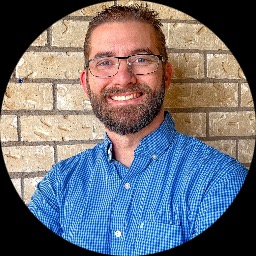
About Brandon
Brandon Darby is a licensed professional counselor in Texas who helps people facing stress, anxiety, low self-esteem, career struggles, and depression. He focuses on practical steps that make daily life feel more manageable. Brandon aims to create an open space where clients can speak honestly about thoughts and feelings without judgment.
He brings four years of professional experience to sessions and works with people coping with life changes. Sessions typically concentrate on clear goals and doable actions rather than abstract theory. Brandon uses approaches that help clients notice unhelpful thinking, try small experiments, and understand internal parts of experience.
In practice he emphasizes teamwork and straightforward conversation. He listens for patterns that cause repeated stress and then helps clients try different ways of responding. Many clients explore career direction, build confidence, or reduce anxiety with step-by-step plans.
Brandon also addresses issues like codependency, guilt and shame, purpose, men’s issues, and process addictions such as problematic pornography use, exercise, or gambling. He includes attention to how physical symptoms can tie to emotional strain when relevant.
People who prefer a calm, practical style may find his approach useful. To begin, prospective clients complete a short matching questionnaire and schedule sessions according to his availability.
How these approaches shape online therapy
Brandon uses Cognitive Behavioral Therapy to help people identify unhelpful thoughts and try different behaviors. CBT is often used for anxiety, depression, and practical problems like work stress. Solution-Focused Therapy emphasizes small, forward-looking steps and builds on what is already working in a person's life. This approach can help when you want quick, concrete changes. Internal Family Systems looks at different parts of a person's inner experience and how they relate to each other, which can be useful for working through shame, guilt, or conflicted feelings.Finding the right approach is part of the work. Brandon will collaborate with each person to decide which methods fit their needs and goals. He checks in about what is helping and adjusts the plan so sessions stay practical and relevant.
Confirm current session options before booking, as formats are not specified here. Online therapy can make it easier to fit sessions into a busy life, such as fitting appointments around work or reducing commute time. It also allows for flexible check-ins and follows up on homework between meetings. Licensed professionals often adapt exercises, tracking tools, and short practical tasks to an online setting so progress continues between sessions.
Areas of expertise
Primary focus
Additional focus areas
Therapeutic approaches
Experience
4+ years
Credentials
Texas
Languages
English
Frequently asked questions
What concerns does Brandon commonly help with?
He works with stress, anxiety, low self-esteem, career difficulties, depression, and coping with life changes. He also addresses codependency, guilt and shame, life purpose, men’s issues, process addictions, self-love, and somatization.
How would you describe his therapeutic style?
His style is practical and collaborative, focusing on clear goals and doable actions. Sessions use conversation and small experiments to change unhelpful patterns.
What is his professional background?
He has four years of professional work experience in counseling. That experience includes supporting people through common mental health and life transition concerns.
What credentials and location are listed?
He holds the LPC credential, which is a Licensed Professional Counselor designation, and practices in Texas.
Which languages are supported for sessions?
Sessions are offered in English.
Does he work with clients outside the United States?
International clients are not currently accepted.
How are costs handled for sessions?
Fees vary with location and therapist availability; sessions use a subscription that can be canceled at any time.
What are the first steps to start therapy?
Use the Start Therapy button, complete a short matching questionnaire, and then schedule according to the therapist's availability.